
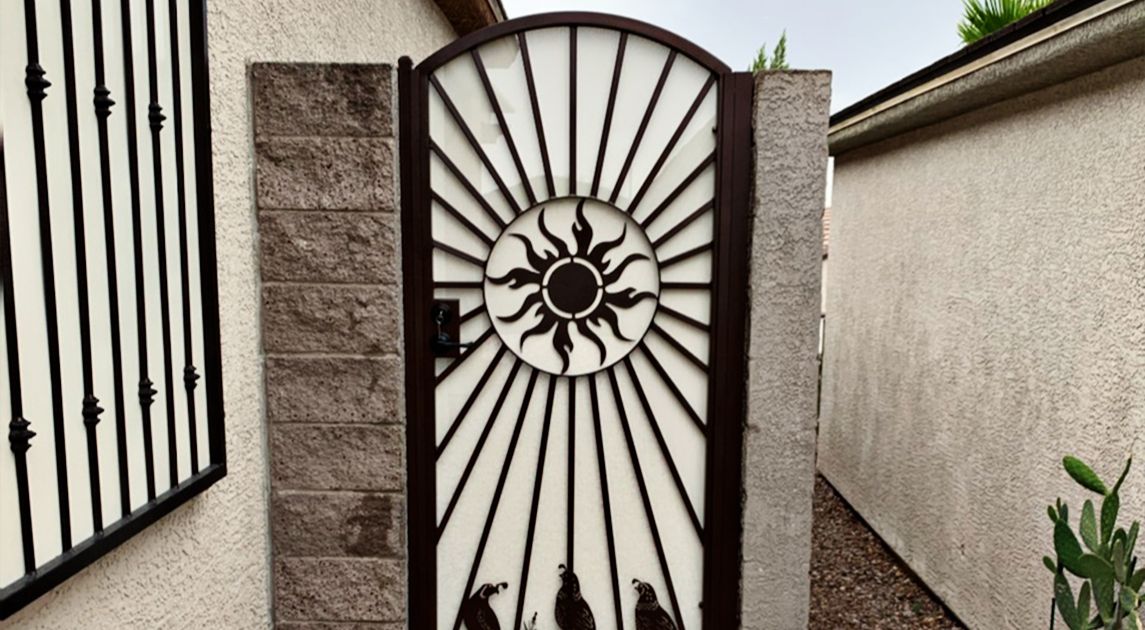
Measuring for an iron side gate is a crucial first step in ensuring a seamless installation process. Proper planning and accurate measurements can prevent common mistakes that homeowners, business owners, and contractors often encounter. This comprehensive guide will help you understand how to measure for a side gate effectively while avoiding pitfalls in the process.
1. Understanding Common Gate Sizes
Before starting the measurement process, familiarize yourself with standard gate sizes. This knowledge helps in planning and avoids selecting a size that might not fit.
A gate that is too narrow creates bottlenecks, limits accessibility, and disrupts the flow of entry. One that is too wide risks looking out of proportion with the surrounding architecture.
- Standard Gate Widths: Side gates generally range between 3 and 6 feet, depending on the space available and desired accessibility.
- Custom Design Options: Allow for any bespoke designs that cater to unique architectural preferences.
- Desired Height Vs. Practical Height: Balance your desired aesthetics with the practical height suitable for your property.
2. Overlooking The Need For Additional Space
Ensure that measurements account for adequate clearance to facilitate smooth gate operation. Many homeowners focus solely on the opening width and height, overlooking the additional space required for the gate to function properly on a day-to-day basis.
A gate that fits the opening but lacks sufficient clearance will bind, drag, or fail to open fully. This can accelerate wear on hinges and hardware. Before finalizing measurements, assess the full range of motion the gate requires and identify any elements in its path that could interfere:
- Hinge Space: Hinges add depth to the swing radius and must be factored into your width calculations.
- Gate Swing Area: The gate’s full range of motion must be clear of planters, steps, and ground-level fixtures.
- Ground Clearance: Sufficient gap between the gate’s base and ground prevents obstruction from settling or debris.
- Hardware Protrusions: Locks and handles extend beyond the frame and require clearance to avoid contact during operation.
3. Not Planning For Ornate Elements In Decorative Side Gates
Decorative side gates often include ornate elements that can impact measurements. You’ll want to anticipate these features in your plans.
- Ornamental Designs: Allocate space for decorative additions like scrolls or patterns.
- Weight Considerations: Heavier designs may require stronger support structures.
4. Failing To Incorporate Home Security Features
Security hardware is often added after initial gate measurements are taken, creating conflicts between your gate’s dimensions and the space required for locks, reinforcements, and access control systems. Planning for these features from the outset avoids costly rework and ensures the gate performs both aesthetically and functionally.
- Lock Mechanism Space: Allocate room for any locking systems or hardware in width and height measurements.
- Reinforcement Areas: Consider the space needed for reinforced sections that enhance gate security.
5. Misjudging Installation Requirements
The gate itself is only one component of the installation. Posts, anchoring systems, and the condition of the surrounding surfaces all influence how measurements should be taken and interpreted.
- Post Placement: Account for the width of gate posts or pillars in the measurement process.
- Foundation Stability: Ensure measurements consider ground surface where posts will be anchored.
- Anchoring Depth: Post-anchoring depth affects overall height alignment and must be calculated alongside surface-level measurements.
6. Not Considering Future Landscape
Think ahead about how your landscape might evolve over time to avoid reinstallation needs. Vegetation growth, new construction, and ground movement are all factors that can encroach on your new gate’s clearance and operation over time.
Accounting for these changes during the measurement phase extends the gate’s functional lifespan and prevents premature modifications:
- Growth Of Vegetation: Plan for future growth of trees or bushes that might encroach on gate space.
- Adjacent Structures: Consider potential future constructions that could alter available space.
- Ground Shifting: Soil settlement and seasonal ground movement can alter your gate’s clearance over time, making generous base clearance measurements important from the start.
- Irrigation & Drainage: Changes to landscaping that affect water flow can impact ground stability near posts, influencing long-term alignment and structural integrity.
Hassle-Free Iron Gate Installation In Las Vegas
With a focus on superior craftsmanship and quality in custom iron gates, Artistic Iron Works stands ready to meet your needs. Whether you’re enhancing security or adding decorative flair, our expertise in the Las Vegas area ensures a perfect fit every time.
Explore our in-depth knowledge and let us guide you to the finest custom ironwork to elevate your property’s aesthetic and security.